


Choose a ring sling for quick on/off carries and discreet nursing. Choose a structured carrier for multi-hour wear, heavier toddlers, and hands-free activities. Many families end up owning both, and once you see how differently they behave in real life, you’ll understand why.
- Best for speed: a ring sling goes o
- Related Articles:
- Childproofing Your Nursery: Complete Safety Checklist and Crib Safety Guide for New Parents
- Baby Development Milestones: Month-by-Month Guide from Birth to 12 Months
- Postpartum Mental Health: Guide to Postpartum Anxiety, Depression, and When to Seek Helpn and off in seconds, perfect for a quick trip through the store.
- Best for long wear: a structured carrier spreads your baby’s weight across your hips and shoulders for hours, not minutes.
- Best for nursing: a ring sling can be loosened and adjusted for a discreet feed without unbuckling anything.
Fit matters more than the label on the carrier. A well-fitted sling and a poorly fitted structured carrier can trade places on comfort and safety in a heartbeat, so getting the positioning right always comes first.
Key Takeaways
The right babywearing choice depends on the task at hand: ring slings win on speed and nursing ease, structured carriers win on comfort during long wear.
| Point | Details |
|---|---|
| Match tool to task | Use a ring sling for quick carries and nursing; use a structured carrier for outings over 30 to 45 minutes. |
| Fit determines safety | Follow the visible-face, chin-off-chest, and M-position checks every time you wear baby. |
| Comfort has a crossover point | Slings feel best for 20 to 45 minutes; structured carriers hold up for 1 to 3 hours or more. |
| Fabric affects usability | Cotton and linen suit beginners; hemp adds support; silk requires more experience to handle safely. |
| Many families own both | Pair a sling for speed with a structured carrier for distance, and shop both at Thehappybabystore. |
Table of Contents
- Ring Sling vs Carrier: The Core Trade-Offs at a Glance
- How Does a Ring Sling Work Compared to a Structured Carrier?
- What Are the Real Pros and Cons of Each Option?
- Which Carrier Fits Which Routine?
- Is My Baby Positioned Safely in a Sling or Carrier?
- How Do You Choose Between a Ring Sling and a Structured Carrier?
- What Do New Parents Consistently Underestimate?
- Find Your Fit at The Happy Baby Store
- Frequently Asked Questions
- Sources
Ring Sling vs Carrier: The Core Trade-Offs at a Glance
The honest answer to “ring sling vs carrier” isn’t about which one wins. It’s about matching the tool to the moment. Here’s how the two stack up on the factors that actually shape a parent’s day.
- Speed on and off. A practiced caregiver can get a baby into a ring sling in about 15 to 30 seconds. A structured carrier, with its waist belt and shoulder straps, usually takes 45 to 90 seconds to buckle and adjust properly.
- Comfort over time. Slings feel light and breezy for the first 20 to 45 minutes, then shoulder fatigue tends to creep in. Structured carriers, once dialed in, can carry comfortably for 1 to 3 hours or more depending on the model, because the padded waist belt shifts weight off your shoulders and onto your hips.
- Breastfeeding and discreetness. A ring sling loosens with one hand, letting you lower baby to nurse and re-tighten without a big production. Nursing in a structured carrier is possible but usually requires loosening straps and repositioning, which is less subtle in public.
- Packability. A ring sling folds down to about the size of a scarf and fits in a diaper bag pocket. Structured carriers are bulkier, with buckles and a rigid panel that don’t compress nearly as well.
- Back-carry capability. Most structured carriers are built for back carries once baby has good head and neck control, while back-carrying in a ring sling takes more practice and isn’t beginner-friendly.
- Price range. Ring slings typically run $40 to $120. Structured carriers span a wider range, often $50 to $200, depending on padding, adjustability, and materials.
No single winner comes out of this list. The winner depends on whether you’re running to the mailbox or heading out for a four-hour hike.
How Does a Ring Sling Work Compared to a Structured Carrier?
A ring sling is a long piece of fabric threaded through two sturdy rings, which act like a buckle you tighten by pulling the tail. You drape it over one shoulder, tuck baby into the pouch it creates, and cinch the rings until the fabric feels snug and supportive. The design puts all the weight on one shoulder and hip, which is exactly why it’s fast to use but tiring after a while.
A structured carrier works more like a backpack built for two. It has a padded waist belt that clips around your hips, padded shoulder straps that cross your back, and a fabric panel that supports baby’s body. Buckles replace the ring-and-tail system, so adjustments are more deliberate but also more secure once set.
The mechanical difference explains almost everything else in this comparison:
- A ring sling’s single-shoulder design supports quick pop-in-and-out use but concentrates weight, which limits comfortable wear time.
- A structured carrier’s two-shoulder, hip-supported design distributes weight across your whole torso, which is why it holds up for a heavier toddler on a long outing.
- Ring slings adjust in seconds by pulling the tail, while structured carriers need buckle and strap adjustments that take a bit more time but produce a more stable fit.
- Both, when properly adjusted, can support the hip-healthy “M-position” recommended for newborn hip development, though the ring sling requires more attention to fabric spread to get there.
Neither design is inherently better. They’re built to solve different problems, and knowing which problem you’re solving today is the real decision.
What Are the Real Pros and Cons of Each Option?
Ring sling advantages show up most in the small, frequent moments of parenting. You can scoop a fussy baby out of the car seat in the parking lot without unclipping a single buckle. Nursing becomes far more discreet, since you can lower the fabric, feed, and retighten without much fuss. The fabric folds into a bag pocket, so it’s the carrier most parents actually remember to bring.
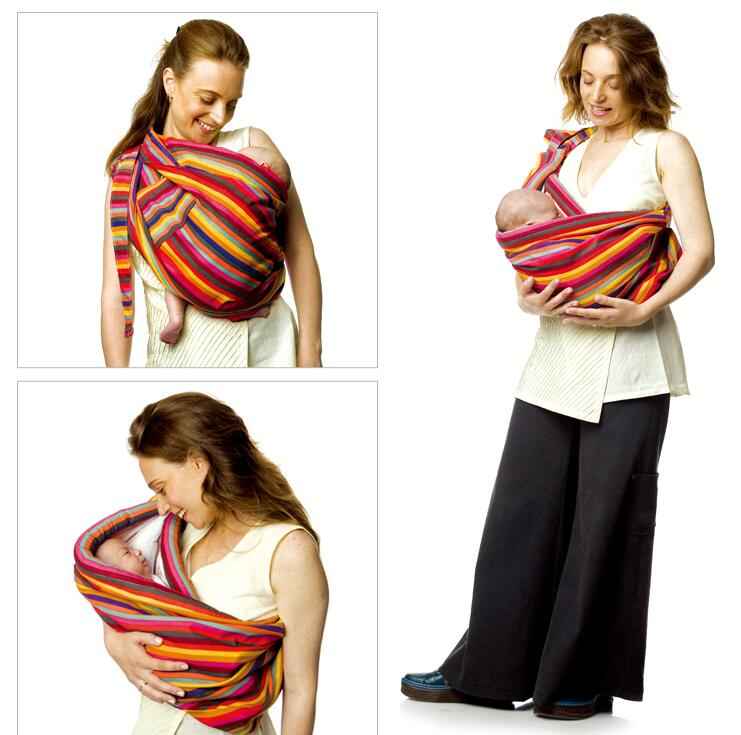
Ring sling drawbacks center on fatigue and fit sensitivity. Because the weight sits on one shoulder, most caregivers start to feel it after 30 to 45 minutes, especially with a heavier baby. The single-shoulder design also demands more attention to fabric spread across your back. Skip that step, and the sling can dig in uncomfortably or shift out of a safe position.
Structured carrier advantages are all about the long game. The padded waist belt and dual shoulder straps make hour-long walks, grocery runs, or full days out genuinely manageable. Many models support both front and back carries, which extends their usefulness well into toddlerhood.

Structured carrier drawbacks show up in setup time and bulk. Buckling a waist belt, adjusting shoulder straps, and tightening the panel takes longer than tossing on a sling, and the carrier itself takes up more space in a diaper bag or car trunk.
Pro Tip: If you’re using a ring sling for more than 20 minutes at a stretch, switch it to the opposite shoulder halfway through. Alternating sides evens out fatigue and reduces the chance of favoring one hip when you set baby down.
Which Carrier Fits Which Routine?
Matching the carrier to the moment is where this whole comparison pays off. Here’s how real caregiver routines tend to sort themselves out:
- Quick errands and restaurants: a ring sling wins. You’re in and out of the car multiple times, and the speed of putting baby up or down outweighs any comfort trade-off over a short trip.
- Stroller-free hikes or full days out: a structured carrier wins. The padded waist belt and shoulder support make hours of walking sustainable in a way a single-shoulder sling can’t match.
- Multi-caregiver households: adjustability matters more than either design alone. If two parents or a parent and grandparent are trading off carrying duties, look for a structured carrier with a wide waist belt range and simple buckles, since re-threading a sling for a different body shape takes practice a busy household doesn’t always have time for.
- Newborn feeding on the go: the ring sling’s quick-loosen mechanic makes discreet nursing far easier during the first months.
- Travel days: the sling’s packability makes it the backup carrier that fits in a carry-on, even if the structured carrier is doing the heavy lifting at your destination.
Most experienced babywearers end up owning both. The sling covers speed and nursing, the structured carrier covers distance and duration, and pairing a lightweight sling with a midrange structured carrier tends to cover nearly every situation a first year of parenting throws at you.
Is My Baby Positioned Safely in a Sling or Carrier?
Correct positioning is the single biggest factor separating a safe carry from a risky one, and it applies equally to slings and structured carriers. A 2026 systematic review in BMJ Paediatrics Open examined 62 papers published between 2000 and 2024 and confirmed that adult-worn slings and carriers offer real benefits, but it also linked rare infant deaths and injuries to poor fit and positioning. The review calls for clearer guidance at the point of sale, which is exactly why getting the basics right before you leave the house matters so much.
The core safety checks, every single time you wear baby:
- Visible face test: you should be able to see your baby’s face just by glancing down, without shifting fabric or straps out of the way.
- Chin-off-chest test: baby’s chin should never be pressed into their chest, since that position can restrict breathing.
- Tight enough test: the carrier should hold baby snugly against your body. A baby who can slump forward or sag into a C-curve isn’t secure.
- M-position check: baby’s knees should sit higher than their bottom, forming an “M” shape that supports healthy hip development.
- Fabric spread check (slings especially): the fabric should span from knee to knee, giving full seat support rather than letting baby dangle by the crotch.
A summary of the evidence published in The Conversation explains the mechanism behind the rare but serious risks: most reported deaths tie back to positional asphyxia, where a baby’s airway gets compromised by curled posture or fabric covering the face. Deaths and injuries are infrequent, but they are almost always preventable with proper positioning, which is the entire point of running through these checks before and during every wear.
If fabric shifts while you’re out, don’t wait until you get home to fix it. Stop, support baby with one hand, and re-spread or retighten immediately. A sling that has loosened during a walk is one of the most common ways a safe carry turns into an unsafe one, and it takes 30 seconds to correct.
How Do Materials Affect Comfort and Care?
Fabric choice shapes almost everything about how a ring sling feels day to day, from breathability to how it wears in over time. Cotton and linen blends are the most common recommendations for a first sling because they’re breathable, easy to break in, and forgiving for beginners still learning to spread the fabric correctly. Hemp blends add more structural support, which some caregivers prefer once their baby gets heavier, though the fabric feels stiffer until it softens with use. Silk feels wonderfully lightweight but tends to be slippery, which makes it a poor choice for anyone still learning proper positioning.
- Cotton or linen: breathable, beginner-friendly, holds up well in hot weather.
- Hemp blends: more structured support for heavier babies, but a longer break-in period.
- Muslin: lightweight and airy, though it offers less support for extended wear.
- Silk: soft and lightweight, but its slip makes it better suited to experienced babywearers.
Air drying preserves fabric integrity far better than a dryer’s heat, and hand washing or a gentle machine cycle extends usability for years. If you’re buying a secondhand sling, check the rings for cracks or rust and the fabric for thinning at the shoulder seam, since that’s where wear concentrates first.
How Do You Choose Between a Ring Sling and a Structured Carrier?
The right choice comes down to a short checklist you can run through before buying or borrowing either type.
- Consider your body and who else will use it. If two caregivers with different builds will share the carrier, prioritize a structured carrier with a wide waist belt adjustment range, since re-threading a sling for different shoulder shapes takes more practice.
- Check newborn suitability explicitly. Not every structured carrier fits a newborn without an infant insert, while most ring slings work from birth as long as fabric spread and the M-position are correct.
- Confirm the weight range. Manufacturers list minimum and maximum weights for a reason. Buying past the upper limit compromises both comfort and support.
- Look for hip-healthy positioning. Both types can achieve the M-position endorsed by hip-health organizations, but check that the product explicitly supports it rather than assuming.
- Evaluate return policy and demo options. A short, hands-on fit check corrects most common sling errors, like fabric not spread across the shoulder or rings sitting too low, so buying from a retailer that allows exchanges is worth the extra thought.
- Match the budget to how often you’ll use it. A sling used daily for nursing earns its cost quickly; a structured carrier reserved for weekend hikes might not need the priciest padding on the market.
Setting Up Each Carrier and Nursing Tips
Getting the fit right the first time saves frustration later. Here’s the minimum you need to know for each.
- Ring sling setup: drape the sling over one shoulder, rings resting at chest height, then tuck baby in and pull the tail to tighten until the fabric feels snug across their back and under their knees.
- Structured carrier setup: buckle the waist belt first and snug it low on your hips, then bring the shoulder straps up and over, clipping the chest strap and adjusting the panel so it supports baby from knee to knee.
- Nursing in a sling: loosen the rings slightly, shift baby to breast height, latch, and retighten once feeding is done.
- Nursing in a structured carrier: loosen the shoulder straps just enough to lower baby to breast height, and choose a carrier with an adjustable panel for the most discreet positioning.
Pro Tip: Practice both setups at home, in front of a mirror, before your first outing. Muscle memory builds fast, and you’ll want it working before you’re juggling a diaper bag and a fussy baby in a parking lot.
One safety reminder applies to both: never use a sling or carrier as a substitute for a crib, and avoid activities like cooking, biking, or anything near hot surfaces while babywearing. Positioning that’s safe for a walk isn’t safe near a stove.
What Do New Parents Consistently Underestimate?
Most comparisons treat this as a battle between two products, but the more useful lens is thinking about your actual week. Parents who buy only a structured carrier because it looks more “serious” often find themselves skipping it for two-minute tasks, simply because the setup time feels like too much friction. The sling they dismissed as flimsy ends up being the one that actually gets used, because friction is the real enemy of consistent babywearing, not comfort ratings.
The flip side matters just as much. Parents who fall in love with a sling for its speed sometimes push through shoulder fatigue on longer outings rather than switching tools, because they’ve mentally filed the structured carrier as “for later.” That’s a mistake. The comfort crossover point around 30 to 45 minutes is consistent enough across testing that it’s worth planning around, not pushing through.
What gets underestimated most, though, is how much a five-minute fit check changes the entire experience. The difference between a sling that digs in and one that feels effortless is almost always fabric spread and ring height, not the fabric itself. Don’t assume you’ve got it right just because baby seems settled. Recheck the fabric spread, the chin position, and the M-position every single time you put baby up, especially in the first few weeks when your hands haven’t learned the motion yet.
Find Your Fit at The Happy Baby Store
If the ring sling versus carrier decision has you leaning toward “both,” Thehappybabystore makes that an easy, budget-friendly call, since our carriers are chosen specifically to cover the fast carries and the long hauls without forcing you to guess at sizing or safety.
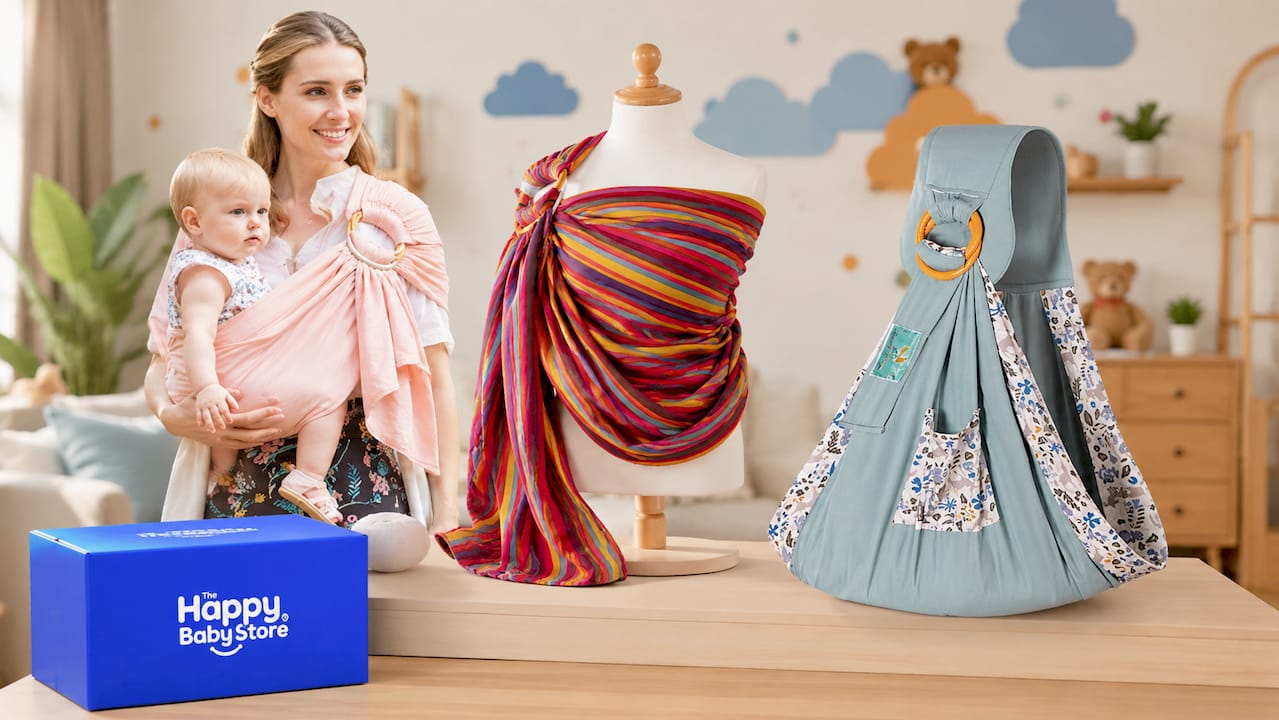
For the quick, discreet nursing carries this guide keeps coming back to, the Baby Sling Carrier for Bonding gives you that one-shoulder speed with fabric designed to spread properly across your back. If newborn closeness and hands-free comfort matter more right now, the Soft Baby Wrap Carrier wraps snugly for those early weeks when a structured buckle carrier can feel like overkill. And for the days when you need a hands-free solution that holds up past the 45-minute mark, the Baby Wrap Carrier for Comfort is built for that longer stretch of wear.
Every product on our carrier and monitor pages lists weight ranges and care instructions clearly, so you’re never guessing whether a carrier fits your baby’s stage. Browse the sling and wrap options now, check the sizing details against your baby’s current weight, and add the one that matches today’s routine to your cart.
Frequently Asked Questions
Is a ring sling safer than a structured carrier? Neither type is inherently safer. The BMJ Paediatrics Open systematic review found that rare injuries and deaths link to poor fit and positioning, not to one carrier style over another. Correct positioning matters more than which type you choose.
Can I breastfeed in a structured carrier, or do I need a ring sling? You can nurse in either, but a ring sling tends to be faster and more discreet since you can loosen the fabric with one hand. Structured carriers require loosening the shoulder straps and repositioning, which takes a bit more effort in public.
How long can a baby safely stay in a ring sling? There’s no strict time limit, but most caregivers notice shoulder fatigue after 30 to 45 minutes. For longer outings, a structured carrier distributes weight more evenly and holds up better over multiple hours.
Do I need both a ring sling and a structured carrier? Not everyone does, but many parents find owning both covers more real-life situations than either alone. The sling handles quick errands and nursing, while the structured carrier covers hikes, travel days, and heavier toddlers.
What’s the biggest safety mistake parents make with slings and carriers? The most common issue tied to injury is poor positioning, particularly a baby’s chin pressed into their chest or fabric covering the airway, which The Conversation’s review of the evidence identifies as the leading cause of positional asphyxia risk. Running the visible-face and chin-off-chest checks every time you wear baby prevents most of these situations.
Sources
- Baby slings: what the evidence says about benefits, risks and safe use — The Conversation
- Best baby carriers of 2025: structured carriers, wraps, and slings compared | BabyGearLab
Recommended
- Baby Sling Carrier for Bonding: Create Magical Moments Together – The Happy Baby Store
- Solid Color Baby Sling Carrier – Effortless Comfort by Happy Baby – The Happy Baby Store
- Versatile Baby Carrier: Effortless Hands-Free Parenting Solution – The Happy Baby Store
- Soft-Structured Baby Carrier for Effortless Bonding | Happy Baby – The Happy Baby Store


